Infleqtion and memQ want to cluster quantum computers like supercomputers, but it is an MoU, not an order
Short answer: memQ, a Chicago quantum networking company, and Infleqtion (NYSE: INFQ), which builds neutral-atom quantum computers, have signed a memorandum of understanding to test whether their technologies work together. The goal is to link several quantum computers into one larger system.
The deal surfaced on X on Thursday, where the stock-tracking account @miscomputate posted a summary with a pointed caveat: "This is currently an MoU focused on integration and interoperability, NOT a confirmed purchase order or revenue-generating contract."
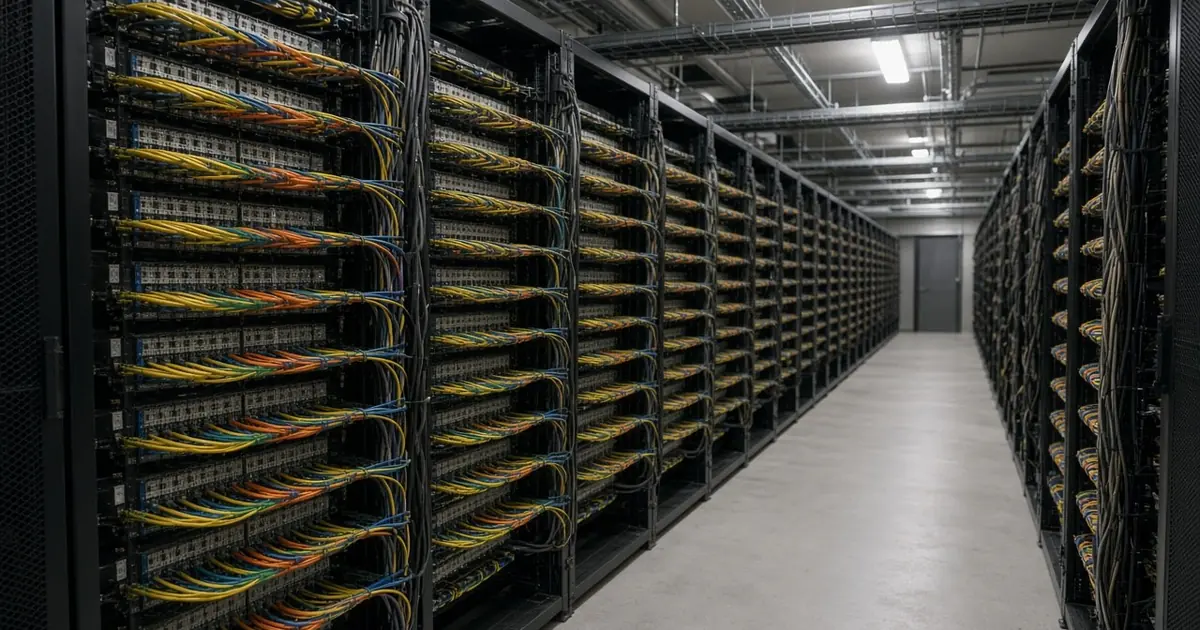
According to the joint announcement on GlobeNewswire, the MoU covers "validation and certification of interoperability" between memQ's xQNA quantum networking technology and Infleqtion's Sqale quantum computer and Superstaq software. The companies compare the aim to the high-performance computing world, where many machines are clustered so users can grow in modules and spread workloads.
The announcement explains the problem: quantum computers "cannot cluster together over existing data networks to execute complex algorithms without collapsing the quantum state". memQ says its xQNA portfolio can connect quantum systems of different types without that collapse. That is the company's description of its product, not something the MoU has yet shown on Infleqtion hardware.
"Interoperability is essential as our industry moves toward broader commercial deployments," said Pranav Gokhale, Infleqtion's chief technology officer. memQ chief executive Charles Foley called the MoU "another important step toward an open ecosystem where quantum computers can work together".
The release gives no timeline, no funding figures and no test results. It quotes an IDC forecast that worldwide quantum computing customer spend will reach $27.5 billion by 2030, up from $4.2 billion in 2025, but that is a market projection, not a number tied to this deal.
Our read: distributed quantum computing is where many roadmaps are heading, because single machines hit size limits. An interoperability certificate would be useful to buyers; the first test results will show how close it is.