Diraq switches on an eight qubit silicon spin quantum computer inside Equinix Sydney
Sydney based Diraq says its silicon spin quantum computer is now live inside an Equinix data centre in Sydney, which it describes as the first deployment of a silicon spin system in a commercial data centre. The company made the announcement this week.
What is running
The system currently operates with eight qubits. Diraq says it is targeting up to 256 qubits in the same deployed machine within the next year, which is a goal rather than a demonstrated capability.
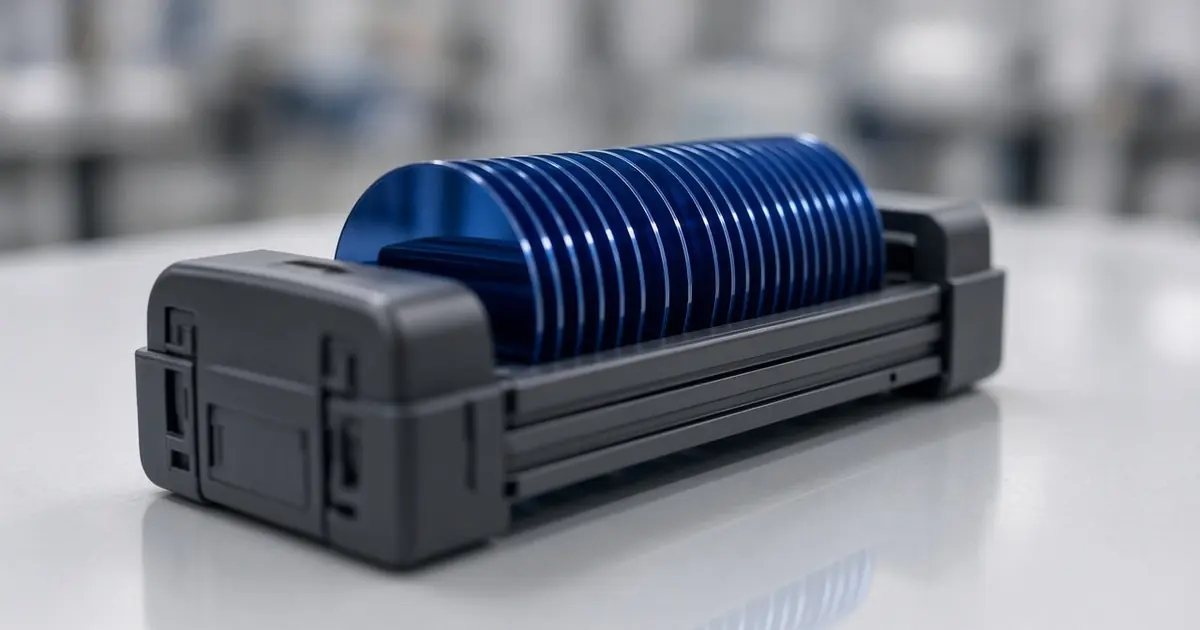
Diraq builds its qubits in silicon using the same CMOS manufacturing processes used for conventional chips. The company argues that this lets customers add computing power by upgrading the quantum processor, with minimal changes to the surrounding infrastructure.
Power and space
The current machine draws less than 20 kW and occupies about 16 square metres, according to Business News Australia. Diraq expects a future utility scale system to draw around 300 kW, which it says is less than a third of a single next generation AI rack, and to need as little as about 5 square metres.
The facility hosts computing for customers in banking, healthcare, utilities, manufacturing and retail. When the deployment was first announced in September, the companies said the system's cryogenic cooling and control electronics were self contained, and that testing in the live environment would come before partners and customers were invited to see it in action.
Equinix's view
Equinix executive vice president Harmeen Mehta called the deployment "an important proof point for quantum," saying it shows a path for these systems to run alongside existing enterprise infrastructure.
What it does and does not show
Putting a quantum computer inside a working data centre tests practical questions such as power, cooling, footprint and integration with conventional systems. It does not by itself show that an eight qubit machine can outperform classical computers on useful problems. The more telling milestone will be whether Diraq reaches its 256 qubit target in the same system, and what error rates it reports along the way.
Diraq is one of several companies betting that qubits made with standard semiconductor processes will scale more easily than other approaches.